

Stocking Strategy & Inventory Management
Optimise the balance of stock availability versus working capital
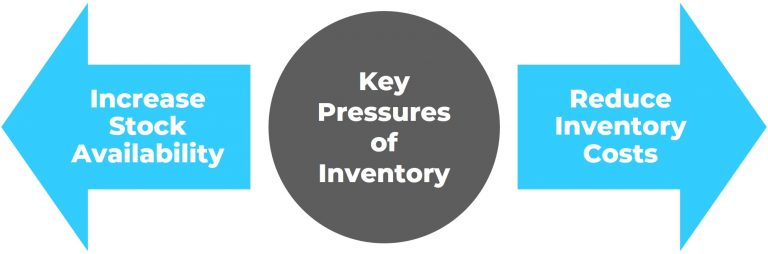
A stocking strategy, otherwise known as inventory management, provides clear guidelines to all areas of the supply chain detailing the number of stockholding locations, where they are located, and the level of inventory held at each. Increasing stock levels ensures good availability and happy customers but holding inventory can be costly. These two pressures oppose each other, and it is a balancing act to maintain the optimal level. Working capital, storage, handling, and obsolescence costs quickly add up.

A stock strategy is determined by the target availability service level, the working capital budget for stock, volatility of demand, lead time from suppliers and speed of stock movement.
Defining stocking policies can also be performed in conjunction with a strategic design of the supply chain network. The objective being to create a holistic supply chain network that can drive down levels of inventory while maintaining availability by implementing rapid replenishment systems from local stock points. This has implications for storage requirements, the size of stock points, distribution systems and transport infrastructure whether on a national or global scale.
The key deliverables of a stocking strategy or inventory management project could include the development of a stockholding budget that meets your availability service level, or inventory analysis benchmarking performance.